The Interplay of App Design Elements and Real-Time Table Game Access for Austrian Users on Portable Platforms
Geschrieben von Quinn Hayes · 6.9.2026
The Interplay of App Design Elements and Real-Time Table Game Access for Austrian Users on Portable Platforms
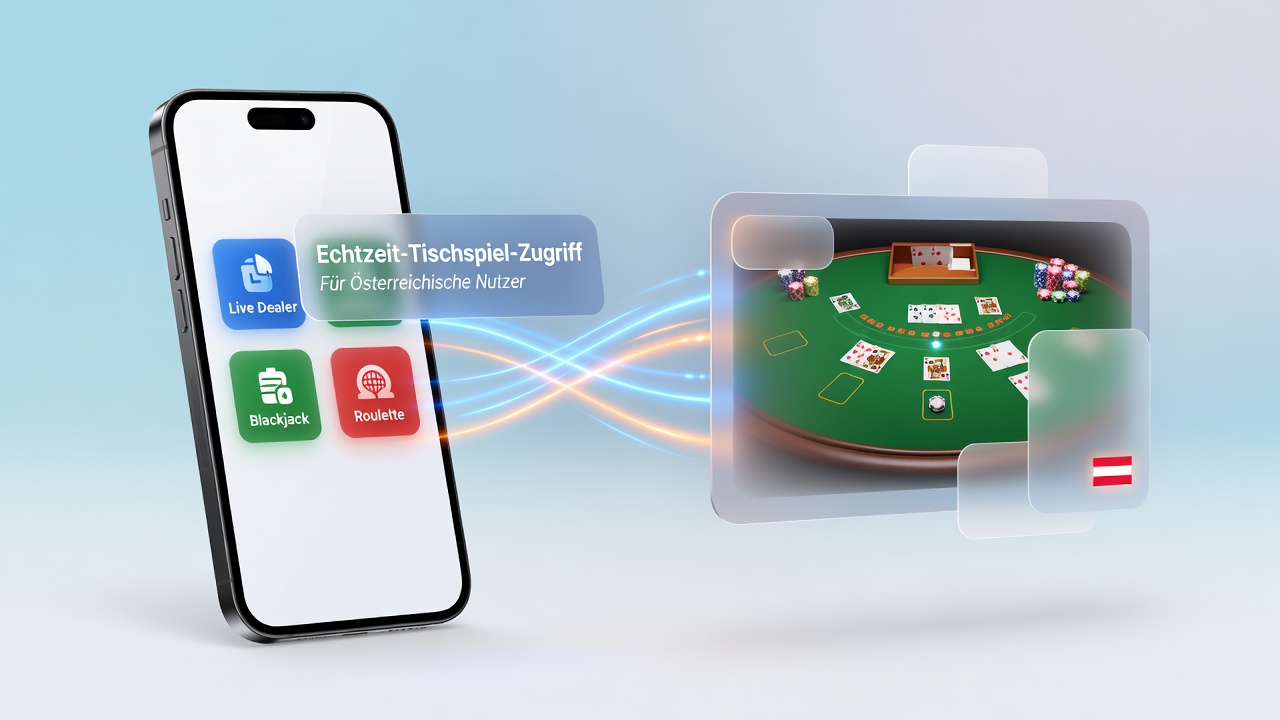
App design elements shape how Austrian users reach real-time table games on portable platforms through navigation flows, interface layouts, and performance optimizations that directly affect streaming stability and interaction speed. Research from the European Commission's digital single market reports indicates that streamlined button placement and adaptive layouts reduce connection delays in live dealer environments by coordinating data loads with regional network conditions common in Austria.
Core Design Components in Mobile Table Game Applications
Navigation menus, touch-responsive controls, and screen orientation handling form the foundation of these applications while developers prioritize minimal latency for video feeds from live studios. Austrian regulatory frameworks require clear display of licensing information within the interface so users encounter compliance details before entering game sessions and this integration influences how quickly players transition from menu selection to active tables. Data shows that applications using vector-based graphics and compressed video protocols maintain smoother frame rates on devices prevalent among Austrian consumers in September 2026.
Real-Time Streaming Mechanics and Platform Constraints
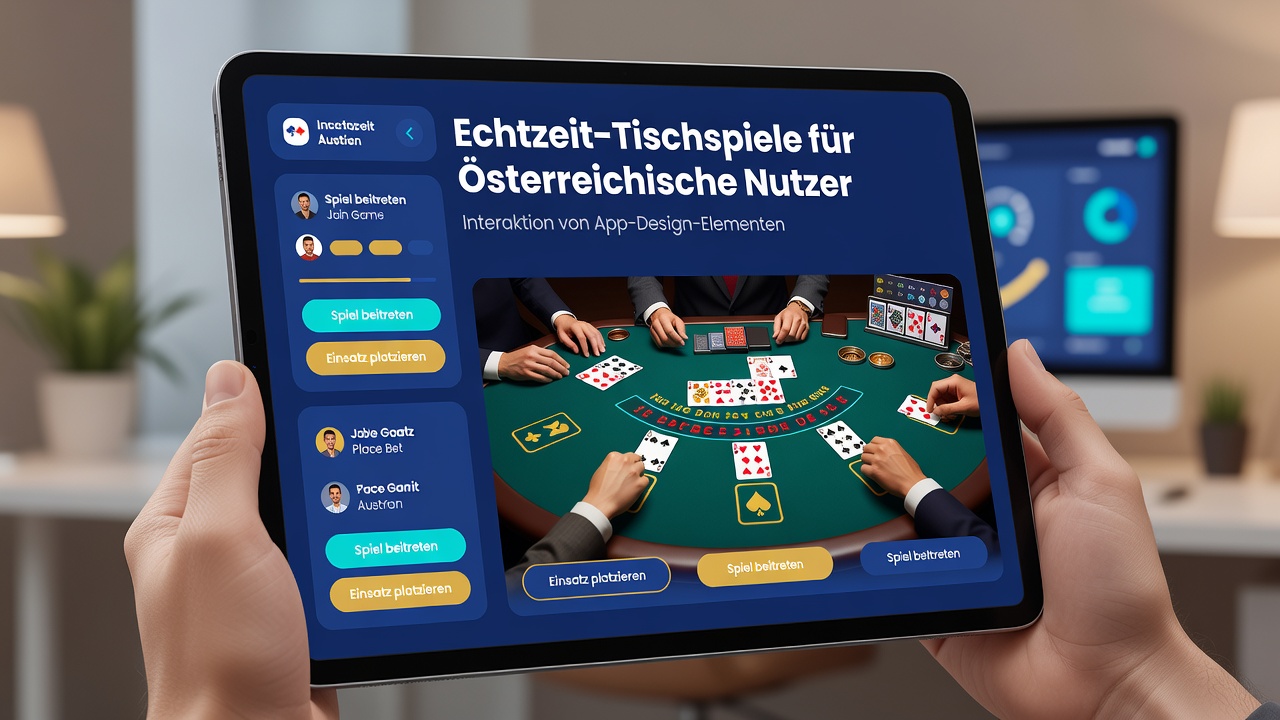
Live table game access depends on continuous data streams that synchronize dealer actions with user inputs across varying mobile network qualities found throughout Austria. Observers note that design choices around buffer management and fallback options for lower bandwidth areas allow sustained participation without interruptions while touch gestures trigger bets or card requests in under 200 milliseconds according to industry performance benchmarks. Those who've examined usage patterns find that portrait mode optimizations prove essential for one-handed operation on smaller screens common in daily commutes.
Regional Factors Affecting Access Patterns
Austrian users encounter specific considerations tied to data protection standards and language localization that developers embed directly into the app architecture. Studies from the University of Applied Sciences in Vienna reveal correlations between intuitive menu hierarchies and higher session completion rates for live roulette and blackjack variants. And yet hardware diversity across recent smartphone models requires flexible scaling of UI elements to preserve real-time responsiveness without compromising visual clarity of the dealer feed.
Performance Data and Interaction Metrics
Figures from gaming analytics platforms indicate that applications balancing visual polish with backend efficiency achieve average connection times below three seconds for Austrian IP addresses during peak evening hours in September 2026. Touch target sizing and gesture recognition accuracy directly influence how users place wagers during live rounds while developers test these elements against typical Austrian network providers. What's interesting is that split-screen modes introduced in recent updates allow simultaneous viewing of multiple tables without sacrificing stream quality on tablets and larger phones.
Integration of Compliance and User Flow
Regulatory requirements in Austria mandate age verification and session limits that applications incorporate through non-intrusive overlays and progress indicators rather than separate screens. Reports from the Austrian Federal Ministry of Finance outline how such embedded features maintain continuity in real-time play while meeting legal standards. Researchers discovered that seamless transitions between verification prompts and active tables reduce drop-off rates during initial access attempts.
Future Developments in Design and Access
Industry organizations like the European Gaming and Betting Association track advancements in 5G integration and AI-driven interface adjustments that further align app elements with real-time demands for Austrian portable users. These updates focus on predictive loading of game assets based on historical behavior patterns while preserving low data consumption on mobile plans. Observers note continued testing of augmented overlays that display statistics alongside live feeds without adding visual clutter.
Conclusion
The relationship between app design and real-time table game access continues to evolve through technical refinements that address both user expectations and Austrian regulatory conditions on portable platforms. Performance metrics and compliance integrations demonstrate measurable impacts on session stability and entry speed as of September 2026 while ongoing research supports further refinements in interface responsiveness.