Payment Method Integration Patterns Across Austrian Live Dealer Mobile Applications
Geschrieben von Harper Wolf · 23.8.2026
Payment Method Integration Patterns Across Austrian Live Dealer Mobile Applications
Payment method integration patterns in Austrian live dealer mobile applications follow structured approaches shaped by national regulations and broader European Union directives on financial services, and observers note that these patterns emphasize secure API connections between operators and banking institutions while incorporating local preferences for instant transfers. Data from regulatory filings shows that most platforms prioritize SEPA-based systems because Austria's banking infrastructure supports rapid cross-border settlements within the eurozone, and this setup allows live dealer sessions to proceed without interruptions when players deposit or withdraw funds during active games. Researchers at European financial institutions have documented how mobile applications handle tokenization during checkout flows, which reduces exposure of sensitive card details and aligns with requirements set forth in the Payment Services Directive 2 framework.
Core Integration Approaches in Austrian Systems
Operators typically deploy direct bank integrations through open banking protocols that connect mobile apps to Austrian credit institutions, and this method enables real-time verification of account balances before gameplay begins, whereas third-party processors handle additional layers such as e-wallet linkages. Studies from academic sources on digital finance indicate that hybrid models combining native app features with external gateways have become standard since they accommodate both credit card transactions and emerging options like mobile payment services from major providers. In practice, developers implement these patterns using standardized SDKs that manage authentication steps, and evidence suggests the approach minimizes latency during live dealer interactions where timing affects user experience.
Regulatory Influences on Payment Patterns
Austrian authorities enforce licensing conditions that require transparent reporting of all transaction flows, and this obligation drives the adoption of audit-ready logging mechanisms within mobile applications. As of August 2026, updates to national implementation rules for digital payment services have prompted several platforms to refine their integration layers for enhanced data protection, while figures from EU-wide monitoring reveal consistent growth in the volume of regulated transactions processed through licensed channels. Those who analyze compliance records note that operators must maintain separate records for deposits tied to live dealer tables, and this requirement influences how applications structure their backend databases to support both operational efficiency and regulatory oversight.
Technical Patterns for Mobile-Specific Features
Applications often utilize device-level authentication methods such as biometric verification to authorize payments, and this pattern integrates smoothly with Austrian consumer expectations around convenience during extended gaming sessions. Industry reports compiled by research institutions highlight that push notification systems for transaction confirmations appear frequently in these mobile environments because they provide immediate feedback without requiring users to leave the live dealer interface. Developers frequently combine these elements with server-side checks that validate payment status before allowing continued play, and the resulting architecture supports high-volume activity while adhering to security standards enforced across the sector.
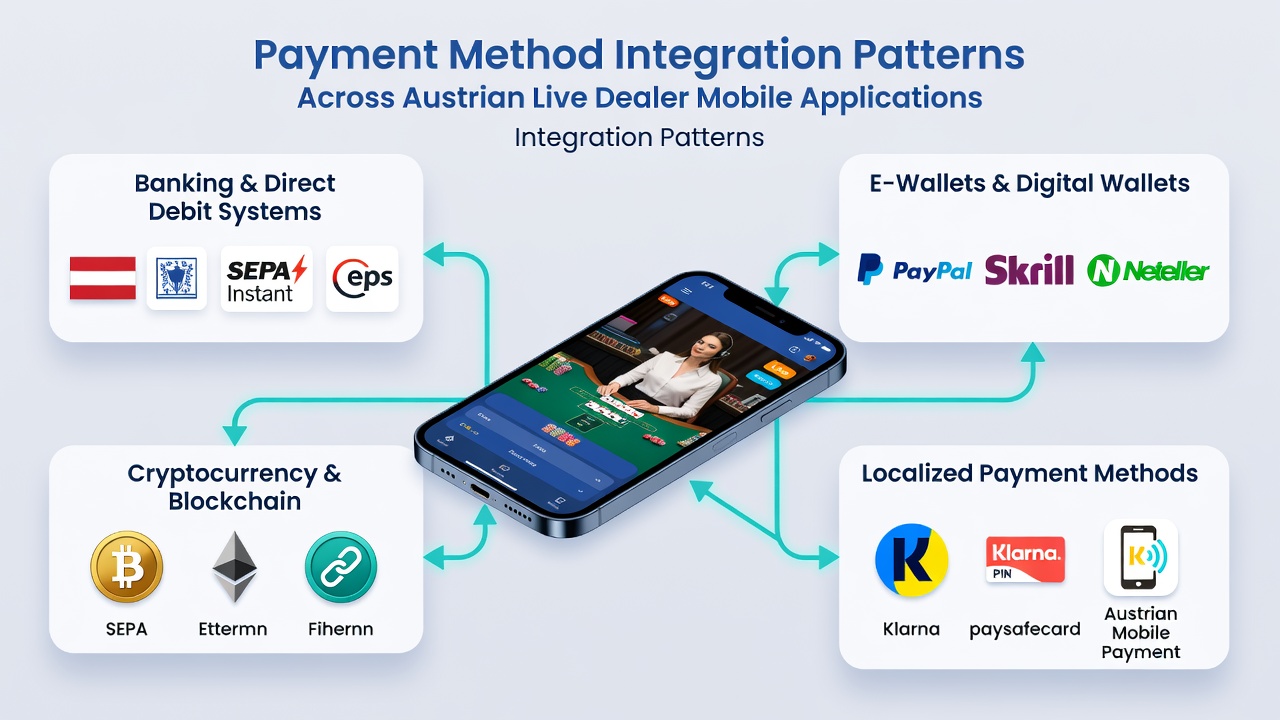
Comparative Data from Regional Analyses
Analyses conducted by international bodies such as those referenced in European Central Bank publications demonstrate that Austrian patterns share similarities with other eurozone markets yet differ in their emphasis on domestic banking partnerships. A separate study from Canadian researchers on mobile gaming economies, available through academic repositories, shows parallel trends in token-based security measures though applied to different regulatory contexts. Observers tracking these developments point out that Austrian applications tend to favor fewer but more deeply integrated payment options rather than expansive lists, and this focus stems from licensing criteria that prioritize stability over variety.
Future Alignment with Evolving Standards
Current implementations already prepare for upcoming changes in digital identity verification protocols, and experts involved in standardization efforts anticipate further refinements by late 2026. Data indicates that applications incorporating modular payment gateways can adapt more readily to new requirements without full system overhauls, and this flexibility supports ongoing compliance across live dealer environments. Patterns observed in recent deployments include increased use of encrypted communication channels between apps and financial endpoints, which helps maintain integrity during high-stakes table interactions.
Conclusion
Payment method integration patterns across Austrian live dealer mobile applications reflect a balance between regulatory demands, technical capabilities, and user preferences for seamless transactions, and comprehensive reviews of industry data confirm that these systems continue to evolve in response to both national and European-level developments. The documented approaches ensure reliable performance while supporting the unique demands of live dealer formats, and ongoing monitoring by relevant authorities provides the framework for sustained operational standards in this area.